
Performance 12 min read
Creatine: What Is It and How Does It Work?
The complete guide to creatine monohydrate - how it works, proven benefits, side effects, safety, and why it is the most researched sports supplement.
Published Updated By The Fitness Court
Creatine is one of the few supplements with truly overwhelming scientific backing. It is not a steroid, not exotic, and it has been studied more thoroughly than almost any other ergogenic aid. This guide covers everything you need to know about creatine monohydrate - what it does, how it works, who benefits, safety, and how to use it correctly.
What exactly is creatine?
Creatine is a naturally occurring compound made from three amino acids (arginine, glycine, and methionine). Your body produces about 1-2 grams per day in the liver, kidneys, and pancreas. You also get it from dietary sources like red meat, fish, and poultry - about 1-2 grams per day if you eat meat regularly.
About 95% of your body's creatine is stored in skeletal muscle, with the rest in the brain, heart, and other tissues. In muscle, creatine is stored as both free creatine and phosphocreatine (PCr).
How does creatine work?
To understand creatine, you need to understand ATP (adenosine triphosphate) - the energy currency of your cells. When you perform a short, intense activity like a heavy squat or a 40-meter sprint, your muscles use ATP very rapidly.
Your body can only store enough ATP for about 2-3 seconds of maximum effort. After that, it needs to regenerate ATP quickly. This is where phosphocreatine comes in. Phosphocreatine donates its phosphate group to ADP (adenosine diphosphate), rapidly regenerating ATP.
By increasing your muscle creatine stores through supplementation (typically by 20-40%), you increase your phosphocreatine reserves. This means you can regenerate ATP faster during high-intensity, short-duration efforts, allowing you to squeeze out an extra rep or two, or maintain power for a bit longer.
Over weeks and months of training, these small improvements in training quality accumulate and can lead to greater strength and muscle gains.
Proven benefits of creatine
Creatine monohydrate has been studied extensively. Here are the benefits with the strongest scientific support:
| Benefit | Strength of Evidence | Notes |
|---|---|---|
| Increased strength & power | Very Strong | Most consistent benefit, especially for compound lifts and explosive movements. |
| Improved high-intensity exercise performance | Very Strong | Helps with repeated sprints, sets of 3-5 reps, or activities with short rest periods. |
| Increased muscle mass | Strong | Partly from water retention initially, but long-term studies show greater gains from improved training capacity. |
| Faster recovery between sets | Strong | Better PCr resynthesis means you may recover more fully between short rest intervals. |
| Cognitive benefits | Moderate-Strong | Emerging research shows benefits for memory, processing speed, especially under stress/sleep deprivation or in vegetarians. |
| Injury prevention/recovery | Moderate | Some studies show reduced cramping, strains, and faster recovery, but more research needed. |
| Neuroprotection | Promising | Being studied for conditions like Parkinson's, ALS, but not yet recommended for treatment. |
What creatine will NOT do
It is important to have realistic expectations. Creatine is effective, but it has limitations:
- It won't build muscle without training - It enhances your ability to train harder, but you still need progressive resistance training.
- It won't make you bulky overnight - Any initial weight gain is mostly water. Long-term muscle gain still takes months.
- It won't help much for pure endurance - Activities like long-distance running or cycling rely more on aerobic energy systems where creatine has minimal impact.
- It won't burn fat directly - It has no direct fat-burning properties. Any body composition benefits come indirectly from better training.
- It won't work like a steroid - Effects are modest but real. You won't gain 10kg in a month.
Creatine sources: food vs supplementation
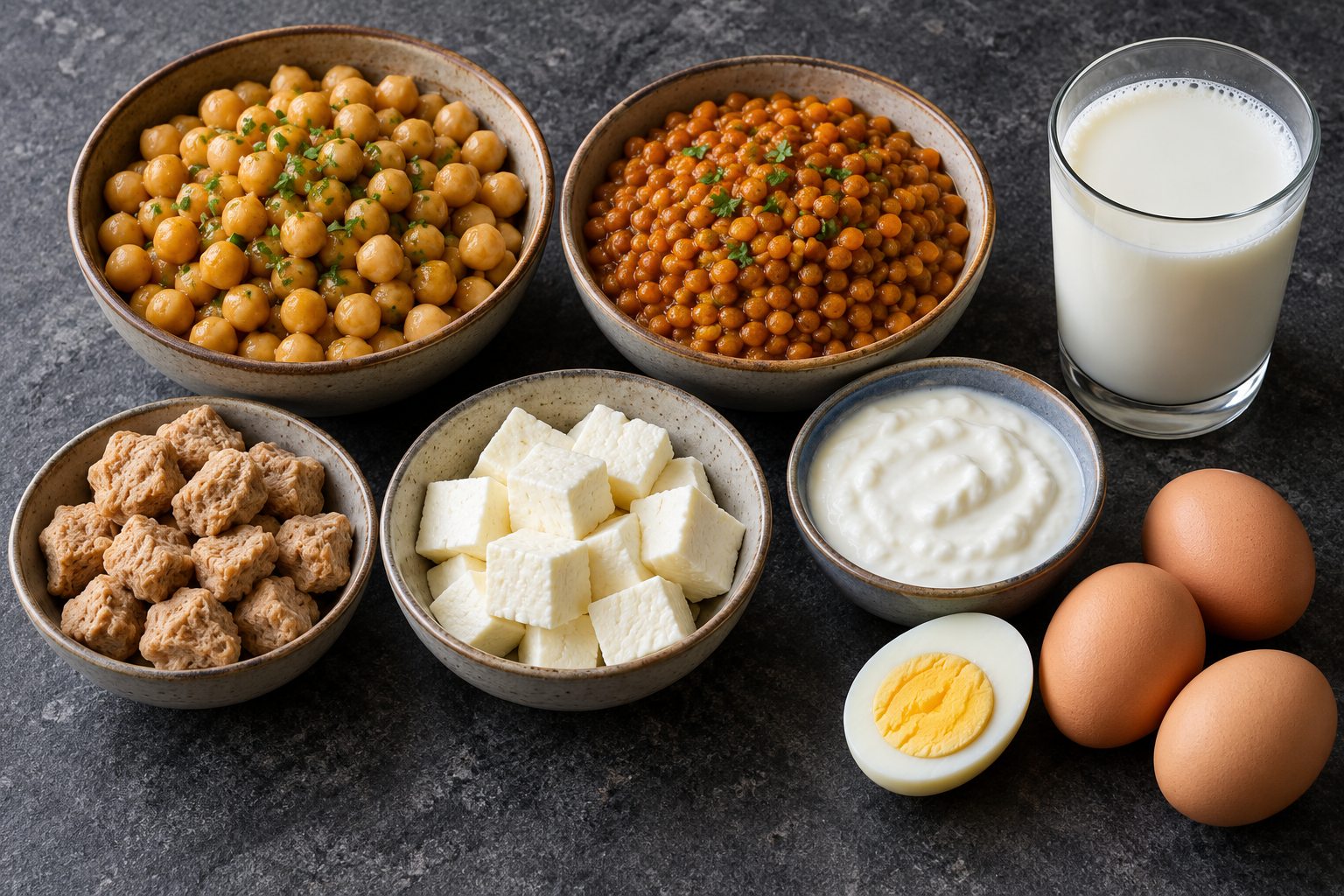
To reach 5g of creatine per day from food alone, you would need to eat roughly 1kg of beef daily - which is neither practical nor necessary. This is why supplementation is so popular and effective, especially for vegetarians and vegans who get virtually no dietary creatine.
| Food Source | Serving | Creatine Content (g) |
|---|---|---|
| Beef (raw/cooked) | 100g | ~0.5g |
| Pork | 100g | ~0.5g |
| Salmon | 100g | ~0.45g |
| Tuna | 100g | ~0.4g |
| Herring | 100g | ~0.65g |
| Chicken | 100g | ~0.4g |
| Milk | 100ml | ~0.01g |
Why creatine monohydrate is the gold standard
If you see creatine HCl claiming "no loading needed" or "better absorption", the marketing is ahead of the science. Save your money and stick with plain creatine monohydrate.
- Most researched: Creatine monohydrate accounts for the vast majority of studies showing benefits.
- Most effective: No other form has consistently outperformed monohydrate in head-to-head trials.
- Cheapest: Micronized creatine monohydrate is often 10-20x cheaper per gram than fancy forms.
- Highest bioavailability: Your muscles absorb it well and it is proven to saturate muscle stores.
- Safest: Decades of safety data in humans.
Side effects and safety
If you have pre-existing kidney disease, liver disease, or take medications that affect kidney function, consult your doctor before taking creatine. This is just common sense, not because creatine is inherently dangerous.
- Water retention (common, harmless): Expect 1-2kg weight gain in first week or two due to increased water in muscle cells. This is intramuscular water, not subcutaneous fat or bloating for most people.
- Digestive issues (uncommon): Some people experience stomach cramps or diarrhea, especially with large loading doses taken at once. Splitting doses or skipping loading usually fixes this.
- Muscle cramping (rare): Contrary to old myths, studies actually show creatine may reduce cramping and dehydration in some athletes.
- Hair loss (unproven): The only study suggesting this was small and never replicated. Current evidence does not support this concern.
- Kidney/liver concerns (unfounded in healthy people): Numerous long-term studies (up to 5 years) show no adverse effects on kidney or liver function in healthy individuals at 3-5g/day.
Creatine and special populations
| Population | Recommendation | Notes |
|---|---|---|
| Vegetarians/Vegans | Highly recommended | Have lower baseline muscle creatine stores, so they often see bigger benefits. |
| Women | Safe and beneficial | Benefits apply equally. May experience less water retention than men. |
| Older adults (55+) | Beneficial | Can help preserve muscle mass, strength, and may have cognitive benefits when combined with resistance training. |
| Teenagers (16-18) | Generally safe if supervised | Evidence is limited but short-term studies show safety. Focus on training/nutrition first; consult if concerned. |
| Pregnant/Breastfeeding | Not recommended | Insufficient safety data. Better to avoid until more research exists. |
Questions.
Does creatine make you bigger?
Is creatine safe for long-term use?
Does creatine cause hair loss?
How long until creatine works?
Is creatine only for bodybuilders?
Can vegetarians benefit more from creatine?
Should I take creatine on rest days?
Shop the range
Creatine
Products mentioned in this guide that we currently stock.
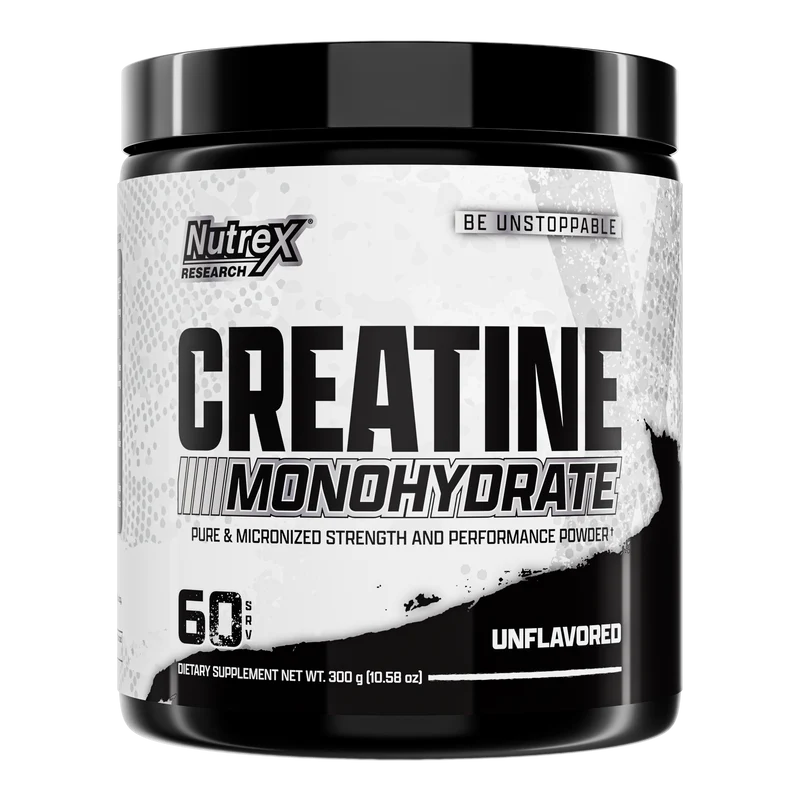
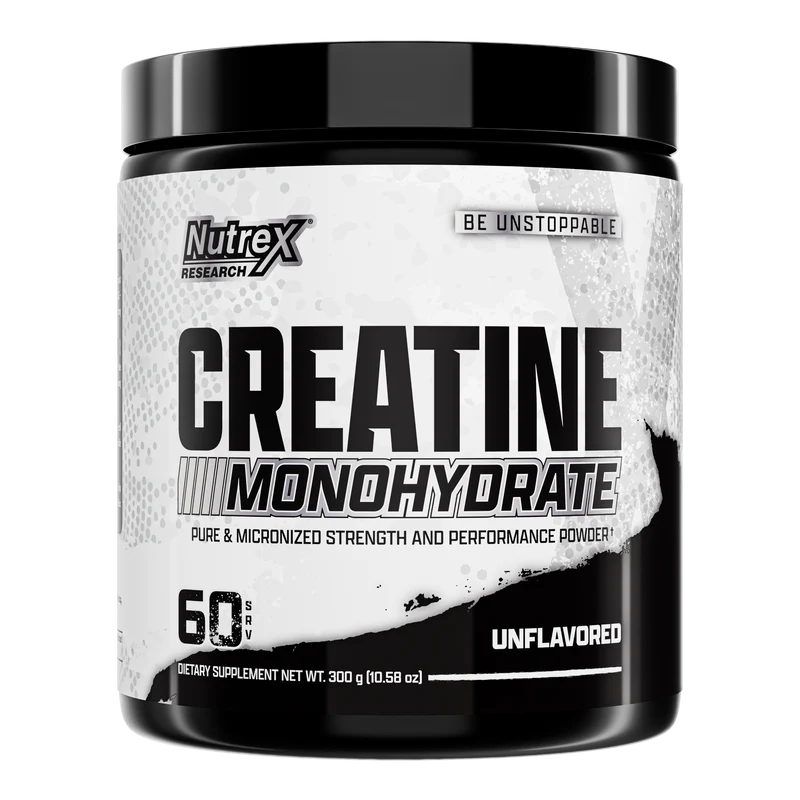
Nutrex Research · Creatine
Nutrex Creatine Monohydrate
Size — ask us on WhatsApp
Confirm stock on WhatsApp
Order on WhatsApp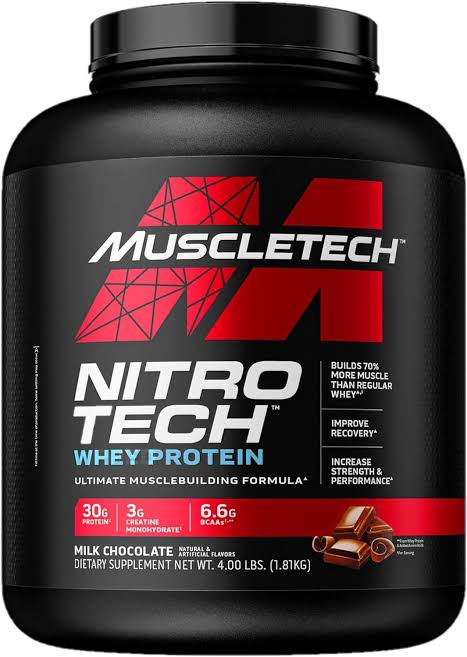
MuscleTech · Protein
Nitro-Tech Whey
Size — ask us on WhatsApp
Confirm stock on WhatsApp
Order on WhatsApp