
Muscle 11 min read
Whey Protein for Muscle Gain
A comprehensive guide on using whey protein for muscle gain - when it helps, how much to take, timing, comparisons with food, and how to build it into a complete plan.
Published Updated By The Fitness Court

Whey is the most popular muscle gain supplement in the world, and for good reason. But the fitness industry has massively overstated its role. Here is an honest, research-backed account of where whey fits, where it does not, and how to use it intelligently as part of a complete muscle-building plan - with practical advice tailored to training in Nepal.
How whey supports muscle growth
Muscle growth (hypertrophy) happens when muscle protein synthesis exceeds muscle protein breakdown over time, driven primarily by two factors: mechanical tension from resistance training, and adequate amino acid availability from dietary protein.
Whey protein excels in delivering this amino acid availability. It is a fast-digesting, complete protein containing all nine essential amino acids, with a particularly high concentration of leucine - the key amino acid that triggers the muscle-building signal (mTOR pathway).
Research shows whey effectively stimulates muscle protein synthesis, but the magnitude of benefit depends entirely on context. On its own, whey will not build muscle. Combined with progressive resistance training and sufficient overall protein and calories, it can help you reach your goals more conveniently.
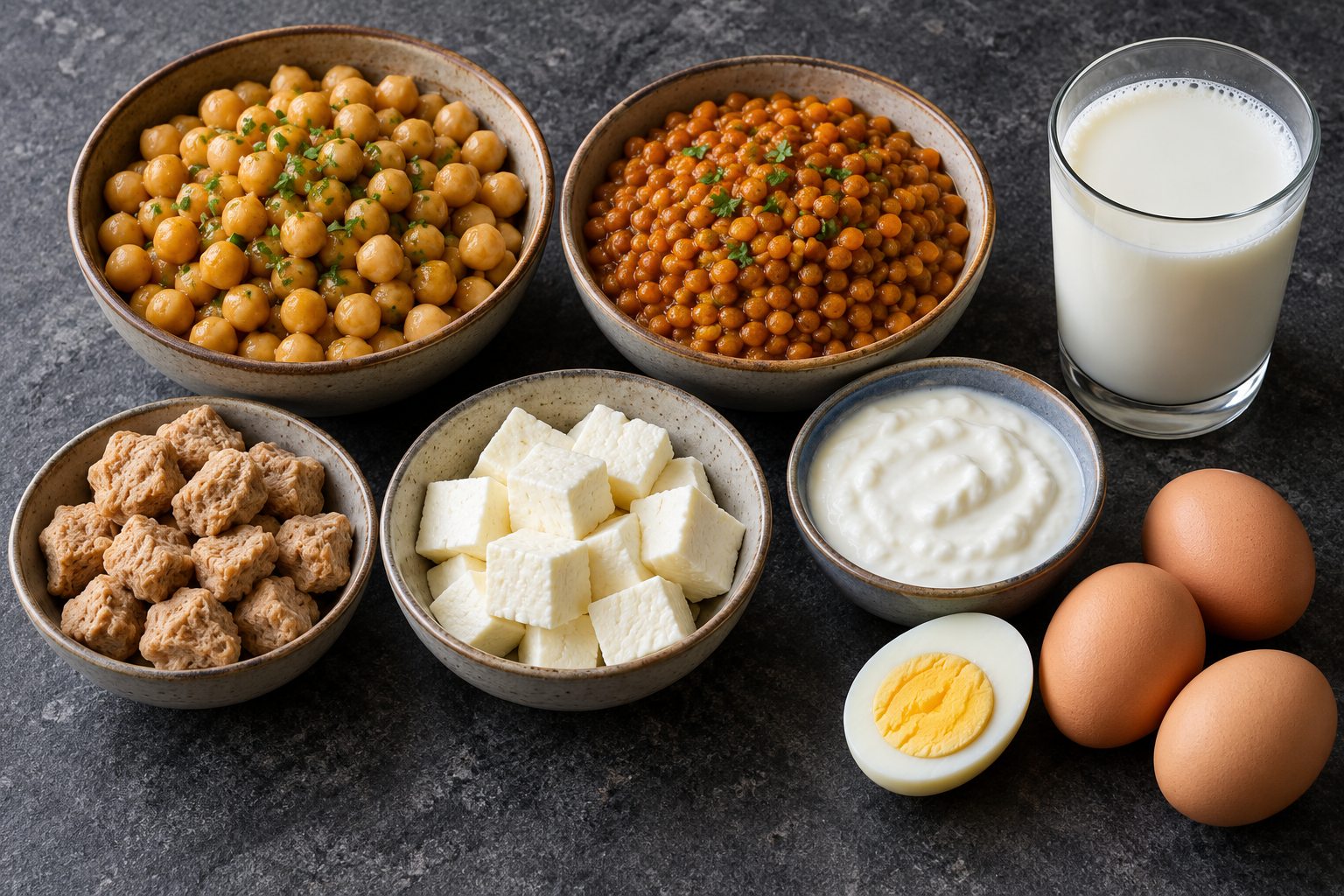
Whey vs whole food protein sources
The verdict: if you can eat whole food, prioritize it. Whey earns its place purely on convenience, not superiority for muscle growth.
| Factor | Whey Protein | Whole Food (Chicken/Eggs/Paneer/Soy) |
|---|---|---|
| Protein per serving | 24-25g in 30g powder | Varies - often need 100-150g food for similar amount |
| Convenience | Excellent - mix and drink in seconds | Requires cooking/preparation and cleanup |
| Cost per 25g protein | Can be 70-150 NPR depending on brand | Often cheaper (30-80 NPR) with local foods like soy chunks/eggs |
| Micronutrients | Limited - mostly just protein + additives | Rich in vitamins, minerals, healthy fats, fiber |
| Satiety/fullness | Less filling for most people | More satiating due to volume, fiber, and chewing |
| Digestion | Very fast and easy to digest | Slower, more natural digestion |
| Versatility | Great for shakes, oats, recipes | Can be used in countless traditional Nepali dishes |
How much whey do you actually need?
For a 70 kg person aiming for 126 g/day, if you get 100g from food, adding one 25g scoop gets you to 125g - perfect. If you already get 130g from food, adding whey is unnecessary.
- If you hit your target from dal, soy, eggs, meat, and dairy: 0 servings needed. Save your money.
- If you are 10-20g short on most days: 1/2 to 1 scoop (12-25g) is enough to fill the gap.
- If you are consistently 30-40g short and struggling: 1-2 scoops may be justified for convenience.
- Maximum useful: Rarely more than 1-2 scoops per day. More won't help if total protein is already met.
Timing - what the science actually says
The bottom line: Take whey whenever it is most convenient and helps you hit your daily target consistently. Consistency beats perfect timing every single time.
| Timing | Effectiveness | Pragmatic Advice |
|---|---|---|
| Post-workout (within 1-2 hours) | Slightly convenient and supported by research | Great if you haven't eaten recently. Easy and practical. |
| Pre-workout (1-2 hours before) | Also effective - amino acids are available during/after | Works fine if that fits your schedule better. |
| Between meals | Effective for hitting totals | Perfect for busy days when meals are far apart. |
| First thing in morning | Effective if breaking a long fast | Good after an overnight fast, especially if breakfast is light. |
| Before bed | Slightly different (use casein), whey still works but digests faster | Whey is fine, but dahi/paneer may be better for slow release. |
Building a complete muscle-gain approach
Whey is just one piece of the puzzle. To actually build muscle, you need to get the fundamentals right first. Think of it as a pyramid with training at the base.
- 1. Progressive resistance training (foundation) - Lift weights 3-4 days/week focusing on compound movements (squats, deadlifts, bench press, rows). Add weight/reps over time.
- 2. Sufficient calories (second) - For most beginners, a small surplus of 150-300 calories above maintenance is enough. Too aggressive leads to unnecessary fat gain.
- 3. Adequate protein (third) - 1.6-2.2 g/kg bodyweight from any combination of food and whey. This is where whey can help.
- 4. Recovery (fourth) - 7-9 hours of quality sleep, manage stress, and allow at least 48 hours between training the same muscle groups hard.
- 5. Creatine (optional enhancement) - 3-5g creatine monohydrate daily is well-researched and affordable. Can be added once basics are consistent.
- 6. Whey protein (convenience tool) - Only if the above are solid and you still have a protein gap.
Whey in the Nepali context
Buying whey in Nepal comes with unique considerations. Here is how to approach it smartly:
- Compare ruthlessly: Calculate cost per 25g protein. Often, soy chunks (dried) give you 25g for ~30-40 NPR, while whey can be 70-150 NPR. Only buy whey if convenience justifies the extra cost.
- Stick to reputable sources: Counterfeit supplements are a real concern in Nepal. Buy from trusted sellers with proper receipts, check seals and batch numbers.
- Start with concentrate: Whey concentrate is the most cost-effective and perfectly adequate for 99% of people. Skip isolate/hydrolysate unless you have specific digestive issues.
- Use local foods first: Eggs (15-20 NPR for 7g), milk, dahi, paneer, daal, soy chunks are all excellent and support your local food system.
- Don't replace meals: Using whey to replace entire meals long-term is usually less satisfying, less nutritious, and often more expensive than eating real food.
Common mistakes to avoid
- Buying whey before fixing training - No amount of powder will build muscle without progressive overload.
- Living off shakes - Skipping whole foods leads to poor micronutrient intake and usually doesn't last.
- Overdosing - More than 2g/kg total is rarely needed. Dumping 3-4 scoops won't accelerate growth.
- Falling for marketing - "Anabolic", "hardcore", "pro series" labels don't make it more effective than basic whey concentrate.
- Ignoring total calories - If you're not gaining weight while in a surplus attempt, you need more food, not more protein powder.
- Chasing perfection - Missing a post-workout shake by an hour won't ruin your gains. Consistency over months is what counts.
Questions.
How much whey protein per day for muscle gain?
Is whey protein enough to build muscle?
Should I take whey before or after training?
Do I need a mass gainer for muscle gain?
Can I build muscle using only Nepali food without whey?
When will I see results from whey protein?
Is it okay to take whey every day?
Shop the range
Protein
Products mentioned in this guide that we currently stock.
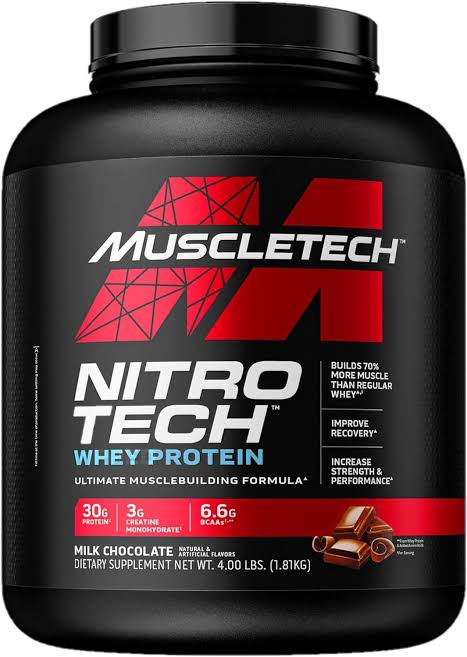
MuscleTech · Protein
Nitro-Tech Whey
Size — ask us on WhatsApp
Confirm stock on WhatsApp
Order on WhatsApp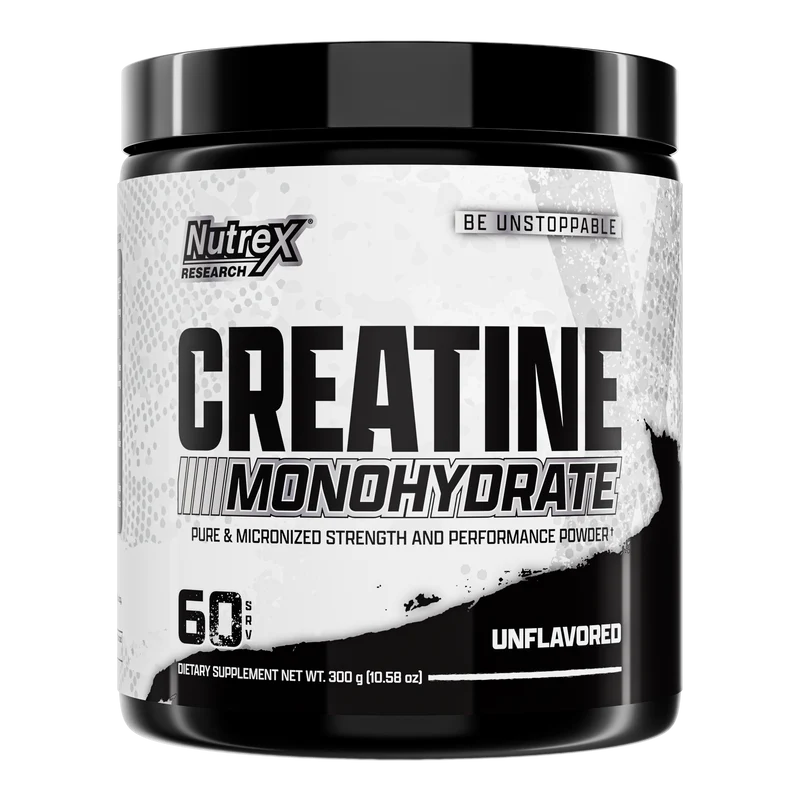
Nutrex Research · Creatine
Nutrex Creatine Monohydrate
Size — ask us on WhatsApp
Confirm stock on WhatsApp
Order on WhatsApp