
Supplements 3 min read
Whey Protein vs Creatine: Which Should You Buy?
Understand the different jobs of whey and creatine so you can decide what, if anything, belongs in your gym budget.
Published Updated By The Fitness Court
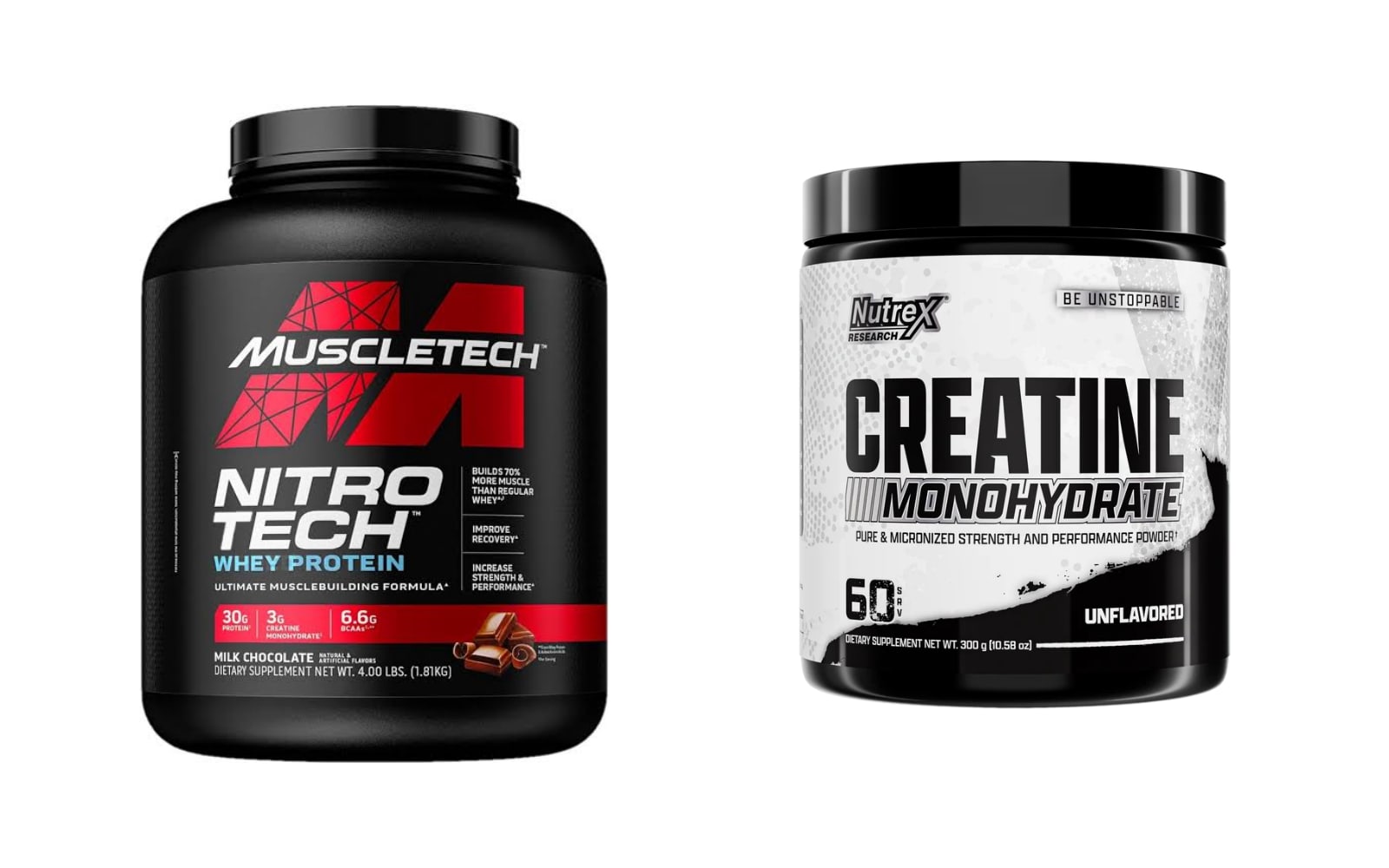
Whey protein and creatine are often discussed together, but they solve different problems. Whey supplies dietary protein. Creatine helps support the energy system used in short, intense efforts. Neither deserves a place in your budget until you know what you want it to do.
Compare their jobs
Think about your current diet and training before choosing a product. A powder that addresses one gap will not automatically fix another.
| Question | Whey protein | Creatine monohydrate |
|---|---|---|
| Main role | Convenient dietary protein | Supports repeated high-intensity performance |
| Can food cover the same basic need? | Protein can come from ordinary foods | Diet contains some creatine; supplementation is optional |
| What to compare on the label | Protein per serving, ingredients and allergens | Actual creatine amount and added ingredients |
| Is it essential to start the gym? | No | No |
Choose around the gap in your routine
If meals regularly lack a protein source and cooking is difficult, whey may be convenient. First compare it with eggs, dairy, pulses or soy that suit your diet. If you already eat adequately and train consistently, creatine may be something to consider separately.
If money is tight, protect your regular meals, transport to training and a workable schedule first. Buying both products while skipping meals is unlikely to solve the underlying problem.
Can they be used together?
They are not competing versions of the same ingredient. Some people use both, but there is no requirement to buy a bundle. Check each label, including any blends you already take, to avoid unintentionally duplicating ingredients.
Whey contains milk protein and is unsuitable for a milk allergy. Lactose tolerance is a separate question. For medical conditions, pregnancy or medicine interactions, discuss the specific product with a qualified professional.
Shop with a short checklist
Ask for the exact product, labelled serving and current price rather than buying a generic “muscle-building stack”. Compare cost per relevant serving and keep a receipt. A special offer is only useful if the product addresses a need you actually have.
Start with one deliberate decision and evaluate whether it improves convenience or training consistency. More products also mean more cost and more ingredients to keep track of.
Sources and further reading
General information for adults, not an individual nutrition or training prescription.
Questions.
Can creatine replace a protein shake?
Must beginners take whey and creatine together?
Shop the range
Protein
Products mentioned in this guide that we currently stock.
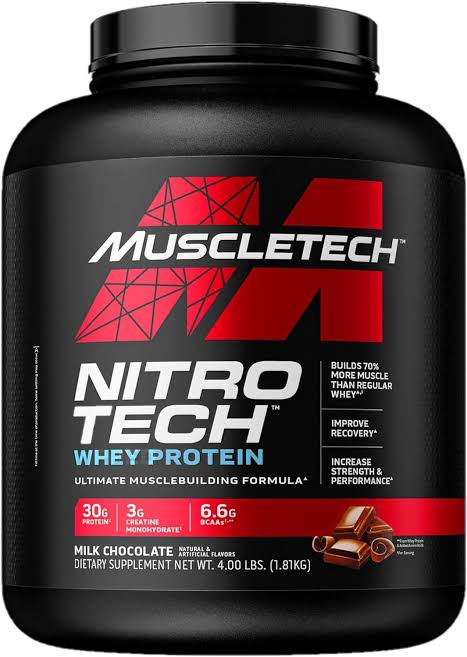
MuscleTech · Protein
Nitro-Tech Whey
Size — ask us on WhatsApp
Confirm stock on WhatsApp
Order on WhatsApp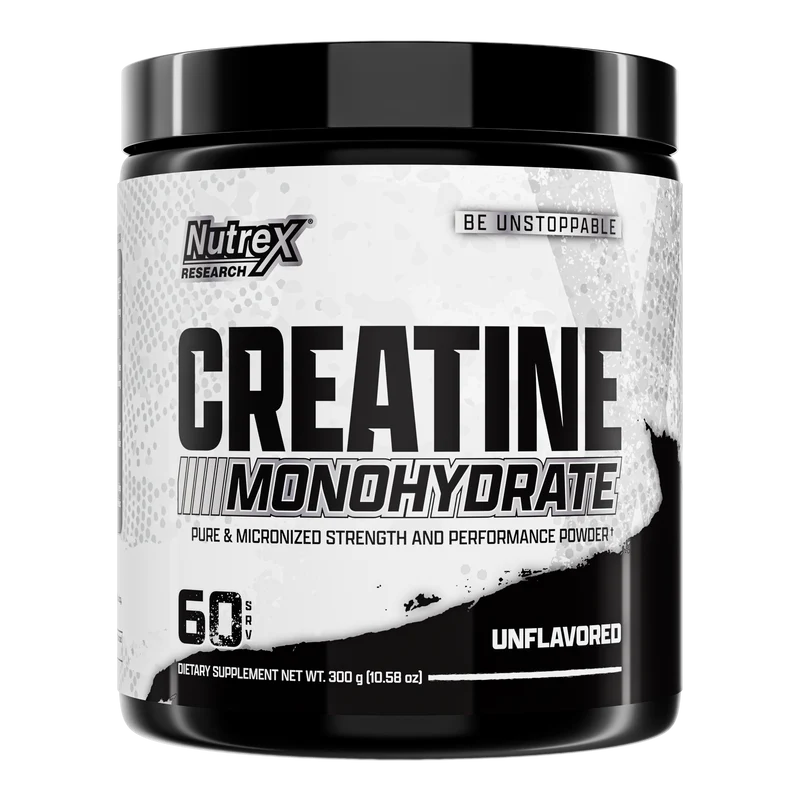
Nutrex Research · Creatine
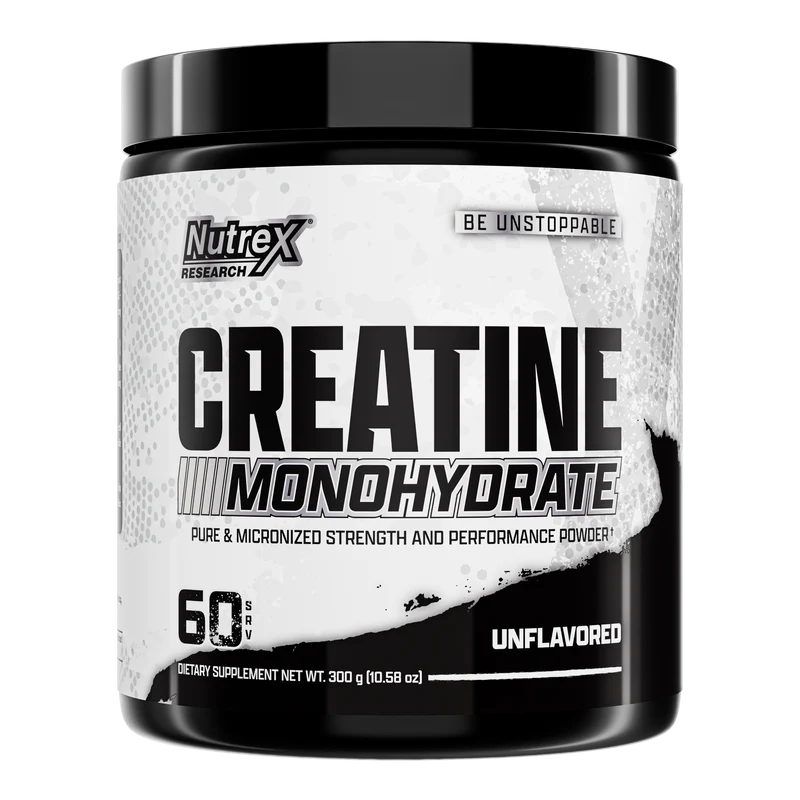
Nutrex Creatine Monohydrate
Size — ask us on WhatsApp
Confirm stock on WhatsApp
Order on WhatsApp